
By W. A. Spicer
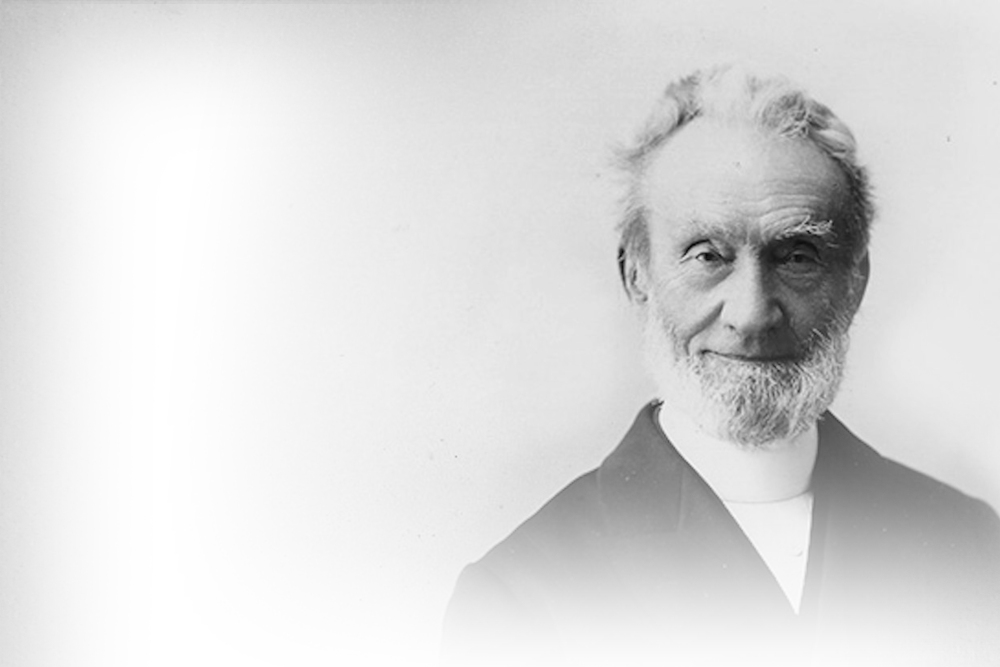
The year was 1835. An obscure pastor with a thick German accent named George Müller was laboring in the west of England and distressed by the general lack of faith in God. “I longed,” he wrote, “to have something to point to as a visible proof that our God and Father is the same faithful God as ever He was, as willing as ever to prove Himself to be the living God.”
Praying for guidance in this matter, the pastor was led to establish the work that grew into the great Bristol orphanages. The enterprise truly was a testimony to the living God, who hears prayer and does things on Earth.
His thought was: “Now, if I, a poor man, simply by prayer and faith obtained, without asking any individual, the means for establishing and carrying on an orphan house, there would be something which, with the Lord’s blessing

Last Generation is a magazine for people seeking spiritual answers to the current issues of our times.
Your subscription will give you:
*Digital-only subscriptions also available

William A. Spicer (1865–1952) served as an educator, editor, missionary, and church administrator for the Seventh-day Adventist Church for 70 years. He was passionate about mission expansion and served in India from 1898 to 1901, where Spicer Adventist University in Pune, India bears his name.