
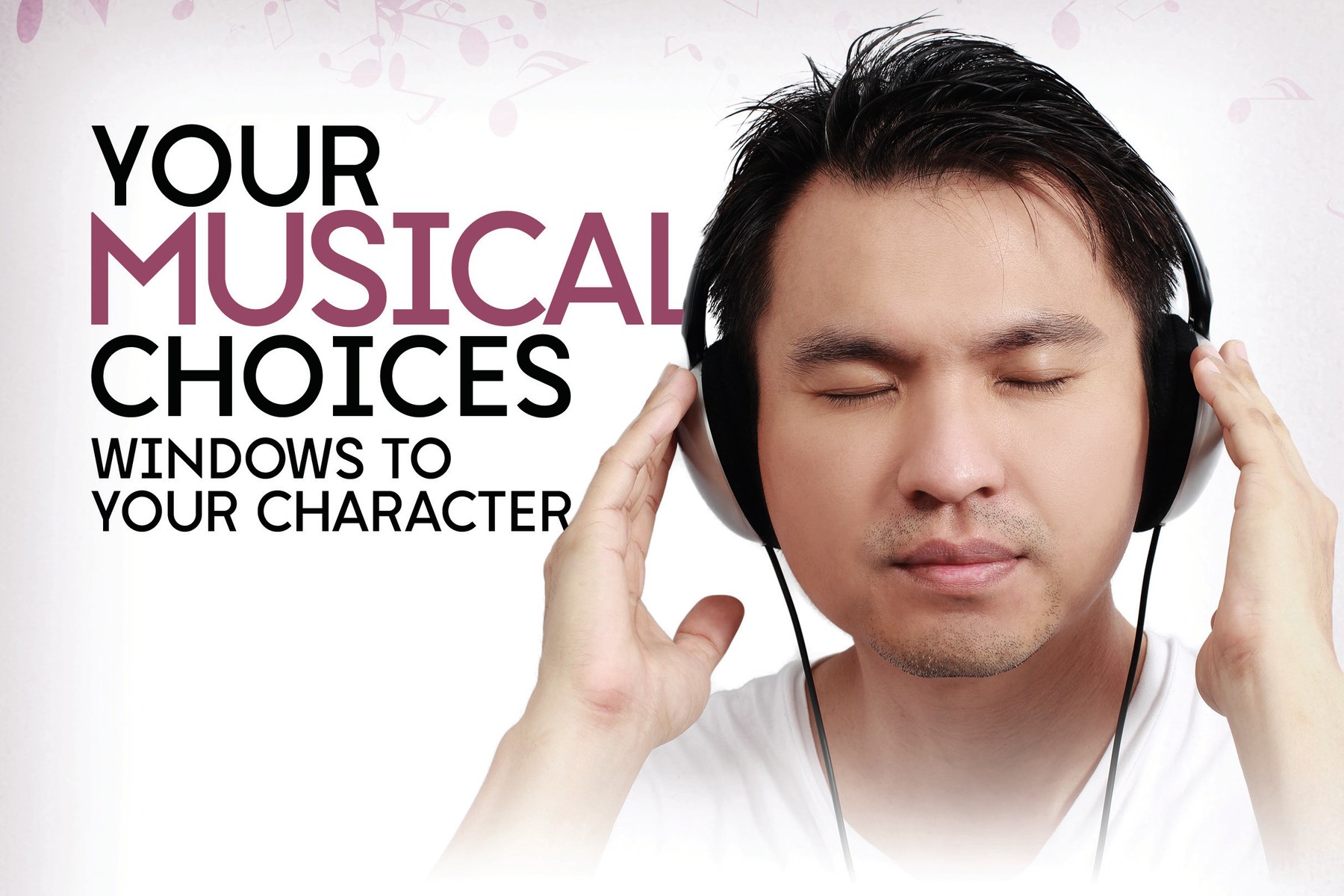
Your Musical Choices: Windows to Your Character
Would it surprise you to learn that music affects you before you are even consciously aware of it?
About 80 years ago, intense research was initiated on the effects of music on human behavior. The initial findings surprised most medical and behavioral scientists. Research demonstrated that the sensation of music is perceived directly through the hypothalamus (the center of our emotions), bypassing conscious thought.1 Through nerve connections, the hypothalamus can then affect our internal organs, our thoughts, and ultimately our behavior.
Because our thoughts and feelings make up our moral character, music’s ability to go straight to our emotions can profoundly influence our character without our awareness.
If we are concerned about our character, we will want to know how music shapes it—which styles of music produce joy, peace, harmony, and love, and which ones produce sensuality, anger, rebellion, or mindlessness.
Musical Keys to Our Emotions
A little background on the components of music will prepare you to wisely evaluate and select music. Through a unique combination

You have met your free view limit.
To access the full article, please login or subscribe.
Already a subscriber?
Login here
Subscribe Today
Last Generation is a magazine for people seeking spiritual answers to the current issues of our times.
Your subscription will give you:
- Immediate access to all web content, including archives as they are expanded
- Special access to web-only articles
- A 32-page copy of Last Generation Magazine delivered to your home 6 times a year*
*Digital-only subscriptions also available
Image credit: © Shutterstock.com
References
-
Ira M. Altshuler, “A Psychiatrist’s Experience with Music as an Agent,” Music in Medicine, pp. 270, 271.
- Edward Podolsky, Music for Your Health (B. Ackerman, 1945), pp. 26, 27. ↩
- Lloyd Leno, “Music—a Symbol of Light,” Review and Herald, Mar. 4, 1976. ↩
- Eileen Southern, The Music of Black Americans: A History (W. W. Norton and Company, 2006), p. 3. ↩
- Frank Garlock, “The Style is the Message,” Pop Goes the Music (Majesty Music, 2002), DVD. ↩
- Doris Soibelman, Therapeutic and Industrial Uses of Music: A Review of the Literature (Columbia UP, 1948), p. 47. ↩